Duration of Treatment
usually takes 3 to 4 hours.
Days of Stay
usually 7 to 8 days at the hospital and 4 weeks outside the hospital.
Anesthesia
General anaesthesia.
Cost
5000 to 9000 USD
How Much Does Stomach Cancer Treatment Cost in India?
Looking for Stomach Cancer Treatment Cost in India or the Best Cancer Hospital at an Affordable Cost in cities such as Delhi, Mumbai, Chennai, Kolkata, and Bangalore? Peace Medical Tourism helps international patients find experienced oncologists and reputed hospitals according to their medical requirements and budget. You can also explore our Oncologist and Cancer Specialist List.
Approximate Stomach Cancer Treatment Cost in India
| Treatment / Expense | Approximate Cost |
|---|---|
| Gastrectomy / Stomach Cancer Surgery | USD 5,000 – 9,000 |
| Radiation Therapy | USD 3,800 – 5,800 |
| Chemotherapy | USD 300 – 600 per cycle |
| Hotel Near Hospital | USD 18 – 50 per day |
| Food | USD 20 – 30 per day |
| Miscellaneous Expenses | Around USD 20 per day |
- These are approximate costs and the final treatment plan and quotation are provided after evaluation of the patient's medical reports.
- The total stomach cancer treatment cost in India may vary according to the cancer stage, diagnosis, patient's condition, type of surgery, surgeon's experience, hospital facilities, medicines, technology used, and city.
- Additional treatments such as targeted therapy or immunotherapy, when medically indicated, may increase the overall treatment cost.
- For international patients, travel, visa, accommodation, food, transportation, and other personal expenses may be additional.
For treatment assistance or a specialist opinion, call or WhatsApp/Viber Peace Medical Tourism at +91 9582708782.
Still have questions? SUBMIT ENQUIRY
Who Are the Best Cancer Surgeons in India?
India has experienced surgical oncologists, gastrointestinal cancer specialists, medical oncologists, and radiation oncologists who provide treatment for stomach and other cancers. The appropriate specialist depends on the patient's cancer type, stage, and treatment requirements.
For more information, visit our Cancer Doctors and Oncologists.
Cancer Specialists
- Dr. Surrender Kumar Dabas – Surgical Oncologist
- Dr. S. Hukku – Radiation Oncology
- Dr. S. M. Shuaib Zaidi – Surgical Oncologist
- Dr. Harit Chaturvedi – Surgical Oncologist
- Dr. Kapil Kumar – Oncologist
- Dr. Rajesh Kapoor – Oncologist
- Dr. Arun Prashad – GI Surgeon
- Dr. Ashwin Rajagopal – Surgical Oncologist
- Dr. Vedant Kabra – Surgical Oncologist
- Dr. Subodh Chandra Pande – Radiation Oncology and CyberKnife
- Dr. B. Niranjan Naik – Surgical Oncologist
- Dr. Mahesh Bandemegal – Surgical Oncologist
The most appropriate doctor should be selected based on the patient's diagnosis, cancer stage, treatment requirements, and specialist expertise.
What Are the Best Hospitals for Stomach Cancer Treatment in India?
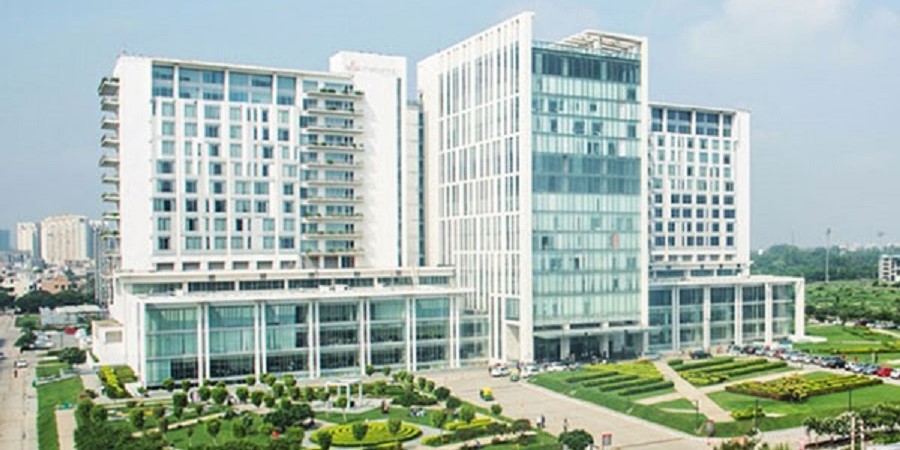
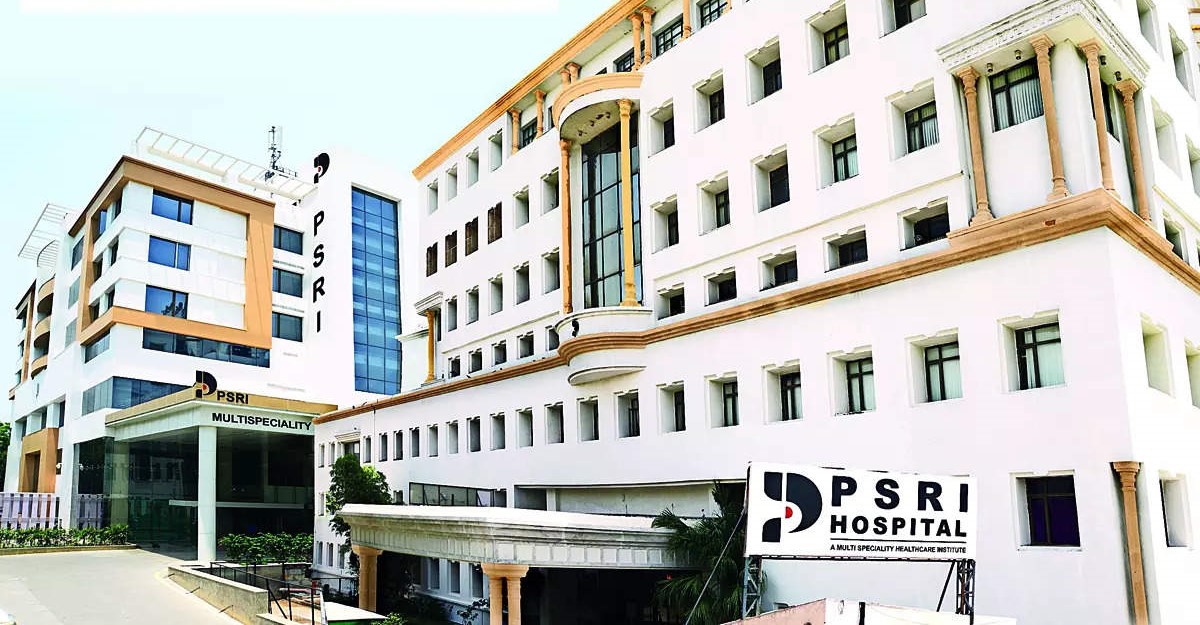
India has several advanced hospitals with dedicated oncology departments and multidisciplinary teams for cancer diagnosis and treatment. Peace Medical Tourism can help patients compare hospitals based on specialist expertise, treatment facilities, location, estimated cost, and individual medical requirements.
- Manipal Hospitals
- BLK-Max Super Speciality Hospital
- Max Super Speciality Hospital
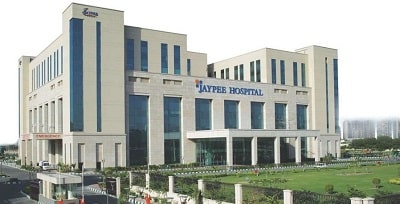
- Jaypee Hospital
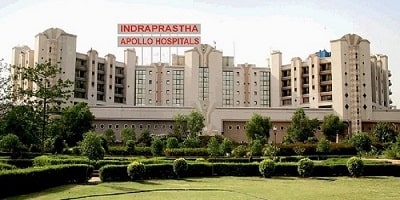
- Apollo Hospitals
- Fortis Escorts Hospital
- Gleneagles Global Hospitals
- HCG Cancer Centre
- Artemis Hospital
- Medanta – The Medicity
- Aster Hospitals
- Yashoda Hospitals
- Narayana Health
Why Choose Peace Medical Tourism for Stomach Cancer Treatment in India?
Peace Medical Tourism has more than 10 years of experience assisting domestic and international patients in accessing healthcare services in India. We help patients identify suitable hospitals and specialists according to their medical needs and budget.
Our services include:
- Transparent treatment coordination
- Assistance in choosing a suitable cancer hospital
- Assistance in selecting an experienced oncologist
- Obtaining treatment opinions and estimated costs
- Coordination with hospitals and doctors
- Assistance with medical visa and travel arrangements
- Hotel and accommodation assistance
- Airport pickup and local transportation
- Support for international patients throughout their treatment journey
Our goal is to help patients access quality cancer treatment in India at a comparatively affordable cost.
What Is Stomach Cancer (Gastric Cancer)?
Stomach cancer, also called gastric cancer, is a type of cancer that develops in the stomach. Most stomach cancers begin in the cells lining the stomach, particularly the gland-forming cells of the stomach lining.
The disease may initially cause few or nonspecific symptoms. As it progresses, stomach cancer can invade nearby tissues and may spread to lymph nodes and distant organs such as the liver, lungs, bones, or peritoneum.
Types of Stomach Cancer
The major types of tumors that can occur in the stomach include:
- Adenocarcinoma – the most common type of stomach cancer.
- Gastric Lymphoma – cancer involving lymphatic tissue in the stomach.
- Gastrointestinal Stromal Tumor (GIST) – a tumor arising from specialized cells in the digestive tract.
- Neuroendocrine Tumors – tumors that develop from neuroendocrine cells.
Treatment depends on the type, stage, location, and biological characteristics of the cancer.
Still have questions about stomach cancer treatment in India? SUBMIT ENQUIRY.
What Are the Signs and Symptoms of Stomach Cancer?
The signs and symptoms of stomach cancer (gastric cancer) can vary depending on the location and stage of the disease. Common symptoms may include:
- Stomach Pain: Persistent pain or discomfort in the upper abdomen.
- Indigestion: Frequent heartburn, acidity, or discomfort after eating.
- Nausea or Vomiting: Repeated nausea or vomiting, sometimes after meals.
- Loss of Appetite: Reduced desire to eat or feeling full quickly.
- Unexplained Weight Loss: Losing weight without making changes to diet or exercise.
- Difficulty Swallowing (Dysphagia): Trouble swallowing food, particularly with tumors near the upper stomach or esophagus.
- Feeling Full After Eating (Postprandial Fullness): Feeling unusually full after eating only a small amount of food.
- Vomiting Blood (Hematemesis): Blood in vomit, which requires urgent medical attention.
- Enlarged Lymph Nodes: Swollen lymph nodes may occur when cancer spreads to nearby lymph nodes.
- Fatigue or Weakness: May occur due to anemia or inadequate nutrition.
- Black or Tarry Stools: May indicate bleeding in the digestive tract and should be medically evaluated.
Important: Many of these symptoms can also be caused by conditions other than cancer. Persistent, worsening, or unexplained symptoms should be evaluated by a qualified doctor
What Are the Risk Factors of Stomach Cancer?
Several factors may increase the risk of developing stomach cancer. These include:
- Helicobacter pylori (H. pylori) infection
- Family history of stomach cancer
- Smoking and tobacco use
- High-salt and smoked foods
- Chronic gastritis or inflammation of the stomach
- Pernicious anemia
- Previous stomach surgery
- Certain inherited genetic conditions
- Older age
- Obesity, particularly for some cancers near the upper stomach
- Certain stomach polyps or precancerous changes
Having one or more risk factors does not mean that a person will definitely develop stomach cancer.
Risks and Side Effects of Stomach Cancer Treatment
If you also want to include the risks you mentioned, they can be presented separately:
- Bleeding or hemorrhage during or after surgery
- Blood clots
- Risks related to anesthesia
- Post-surgical infection
- Pain and digestive changes after surgery
- Chemotherapy side effects, such as nausea, vomiting, fatigue, and hair loss
- Radiation therapy side effects, such as skin irritation, tiredness, nausea, and changes in bowel or stomach function
- Nutritional deficiencies or weight loss after some types of stomach surgery
- Potential complications related to the patient's overall health
The specific risks vary according to the type of surgery, cancer stage, treatment combination, and individual health condition.
How to Prepare for Stomach Cancer Surgery?
Proper preparation before stomach cancer surgery can help the medical team plan the procedure safely and support a smooth recovery. Patients should follow the instructions provided by their surgeon and hospital.
- Choose the Right Hospital: Select an experienced hospital with a specialized gastrointestinal or surgical oncology team and advanced facilities.
- Understand the Treatment Cost: The approximate cost of stomach cancer surgery in India may range from USD 5,000 to USD 9,000, depending on the type of surgery, hospital, surgeon's experience, technology such as robotic surgery, and city.
- Complete Pre-Surgery Tests: The patient may need blood tests, urine tests, ECG, chest investigations, and other tests to determine fitness for surgery. An echocardiogram (ECHO) may be advised when medically required.
- Share Medical History: Inform the doctor about existing medical conditions, allergies, previous surgeries, and any medicines or supplements being taken.
- Discuss Blood-Thinning Medicines: If you take blood thinners or antiplatelet medicines, inform your surgeon. Do not stop these medicines on your own. The doctor will provide specific instructions about whether they need to be stopped or adjusted and when.
- Sign the Consent Form: Before surgery, the hospital will explain the procedure, potential risks, benefits, and alternatives. You will normally be asked to provide informed consent.
- Follow Fasting Instructions: The hospital will tell you when to stop eating and drinking before surgery. Follow these instructions carefully.
- Follow Medication Instructions: Take or stop medicines only according to the instructions of your surgeon or anesthetist.
- Avoid Smoking and Alcohol: If applicable, stopping smoking and avoiding alcohol before surgery can support better recovery.
- Arrange Post-Surgery Support: Plan for adequate rest, follow-up appointments, transportation, and nutritional support after discharge.
- Carry Medical Reports: International patients should bring biopsy/histopathology reports, CT/PET-CT scans, endoscopy reports, previous treatment records, and current medication details.
Important: The exact preparation differs from patient to patient. Your surgeon and anesthesiology team should provide the final instructions regarding fasting, medicines, blood thinners, investigations, and hospital admission.
What Are the Best Procedures for Stomach Cancer Surgery?
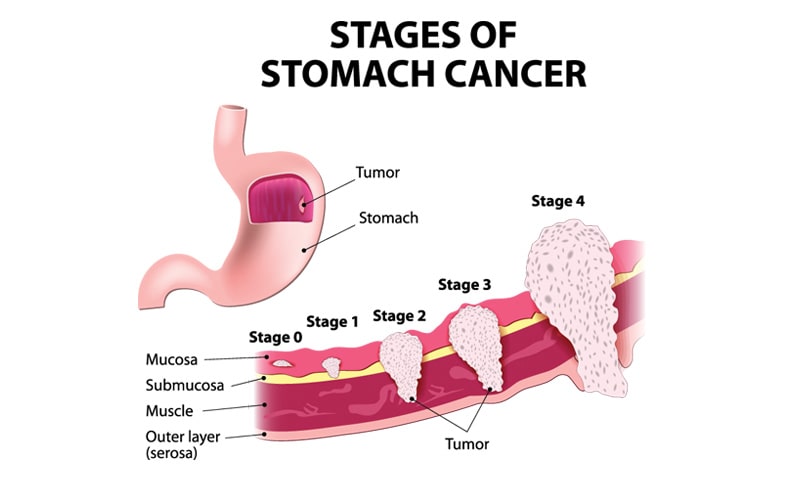
The best procedure for stomach cancer surgery depends on the location, size, type, and stage of the tumor, as well as the patient's overall health. Before deciding on treatment, an oncology team may recommend investigations such as blood tests, CT scan, PET-CT, upper endoscopy, and biopsy to determine the extent of the cancer. Stomach cancer is generally classified into Stage I, Stage II, Stage III, and Stage IV. Based on the results, the doctor may recommend surgery, chemotherapy, radiation therapy, targeted therapy, immunotherapy, or a combination of treatments.
Surgery for Stomach Cancer
Surgery may be recommended when the cancer can be removed. The type of surgery depends mainly on the location and extent of the tumor.
Common stomach cancer surgeries include:
- Total Gastrectomy: Removal of the entire stomach, usually when the tumor is extensive or located in a position requiring complete removal.
- Subtotal or Partial Gastrectomy: Removal of part of the stomach, commonly used for tumors located in the lower or distal stomach.
- Proximal Gastrectomy: Removal of the upper portion of the stomach for selected tumors near the junction with the esophagus.
- Lymph Node Removal: Nearby lymph nodes may be removed during surgery to determine whether cancer has spread.
- Minimally Invasive Surgery: Laparoscopic or robotic techniques may be suitable for selected patients.
Chemotherapy
Chemotherapy uses anti-cancer medicines to destroy cancer cells or slow their growth. It may be given before surgery (neoadjuvant therapy), after surgery (adjuvant therapy), or for advanced stomach cancer. The treatment plan depends on the cancer stage, pathology, and overall condition of the patient.
Radiation Therapy
Radiation therapy uses high-energy radiation to destroy cancer cells. It may be recommended for selected patients before or after surgery or for controlling symptoms in advanced disease. Modern techniques such as Intensity-Modulated Radiation Therapy (IMRT) can deliver radiation more precisely while helping reduce exposure to surrounding healthy tissues.
Immunotherapy
Immunotherapy helps the body's immune system recognize and fight cancer cells. Medicines such as pembrolizumab (Keytruda) or nivolumab (Opdivo) may be considered for selected patients, particularly when the cancer has specific characteristics or biomarkers. Immunotherapy is not routinely required after every stomach cancer surgery; the oncologist decides whether it is appropriate based on the patient's individual cancer profile.
Best Treatment Approach
For many patients, stomach cancer treatment involves a multidisciplinary approach, where surgical oncologists, medical oncologists, radiation oncologists, gastroenterologists, radiologists, and pathologists work together to develop an individualized treatment plan. The goal is to remove the cancer when possible and reduce the risk of recurrence while maintaining the patient's quality of life.
Post-Operative Care After Stomach Cancer Surgery
After stomach cancer surgery, proper post-operative care is important for recovery and preventing complications. Key care includes:
- Hospital Monitoring – Regular monitoring of vital signs, wound, pain, and overall recovery.
- Pain Management – Take prescribed pain medicines as directed by the doctor.
- Wound Care – Keep the surgical wound clean and dry and watch for signs of infection.
- Healthy Diet – Start with liquids or soft foods as advised and gradually return to a regular diet.
- Small Frequent Meals – Eat smaller meals several times a day instead of large meals.
- Adequate Nutrition – Follow the dietitian's advice to maintain proper calories, protein, vitamins, and minerals.
- Stay Hydrated – Drink enough fluids unless the doctor recommends a restriction.
- Early Movement – Walk gradually as advised to improve circulation and reduce the risk of blood clots.
- Avoid Heavy Lifting – Avoid strenuous activities and heavy lifting until the surgeon gives permission.
- Follow-Up Visits – Attend all scheduled appointments for monitoring and further treatment.
- Chemotherapy or Radiation – Some patients may require additional cancer treatment after surgery.
- Watch for Warning Signs – Contact the doctor for fever, severe abdominal pain, persistent vomiting, bleeding, wound infection, or difficulty eating.
- Take Medicines Regularly – Follow the prescribed schedule for medicines and supplements.
- Rest Properly – Get adequate sleep and allow the body time to recover.
- Long-Term Monitoring – Regular follow-up helps detect recurrence and manage nutritional or digestive problems.
What Is the Success Rate of Stomach Cancer Surgery?
The success of stomach cancer surgery depends mainly on the stage of cancer, tumor location, lymph-node involvement, whether the cancer has spread, the patient's overall health, and whether the tumor can be completely removed. When stomach cancer is diagnosed at an early stage and can be completely removed, the chances of long-term survival are generally much better. Survival can decrease as the disease advances. Therefore, rather than quoting one fixed “success rate,” doctors usually discuss the patient's stage-specific prognosis and survival rate after reviewing the biopsy and staging investigations.
For example, 5-year relative survival for stomach cancer is approximately 75% for localized disease, 35% for regional disease, and 7% for distant/metastatic disease in commonly cited U.S. population statistics. These figures are population estimates and do not predict the outcome of an individual patient. Surgical outcomes can also differ substantially depending on the stage and whether complete tumor removal is achieved.
Frequently Asked Questions About Stomach Cancer Surgery
1. Are you the best doctor for stomach cancer treatment?
The best doctor for stomach cancer depends on the patient's cancer type, stage, medical history, and treatment requirements. India has experienced surgical oncologists, medical oncologists, and gastrointestinal cancer specialists who treat gastric cancer. Peace Medical Tourism can help international patients identify an appropriate specialist based on their medical reports.
2. What is the latest treatment for gastric cancer?
Treatment depends on the stage and characteristics of the cancer. Modern treatment may include minimally invasive surgery, gastrectomy, chemotherapy, radiation therapy, targeted therapy, and immunotherapy. Doctors may recommend a combination of treatments after evaluating biopsy, imaging, and biomarker results.
3. Is your hospital one of the best hospitals for gastric cancer treatment?
India has several internationally recognized hospitals with dedicated cancer departments and gastrointestinal oncology teams. The most suitable hospital depends on the patient's diagnosis, required treatment, specialist expertise, technology, and budget.
4. How much does stomach cancer radiation and chemotherapy cost in India?
The cost varies according to the medicines, number of chemotherapy cycles, radiation technique, hospital, and patient's treatment plan. As an indicative estimate for Peace Medical Tourism, chemotherapy may cost around USD 300–600 per cycle, while radiation therapy may cost approximately USD 3,800–5,800. These are approximate costs and should be confirmed after medical evaluation.
5. Which is the best stomach cancer hospital in India?
There is no single hospital that is best for every stomach cancer patient. Some major Indian hospitals have highly experienced gastrointestinal cancer teams and advanced oncology facilities. The choice should be based on the patient's cancer stage, treatment requirements, specialist availability, and overall medical needs.
6. How long can you live if you have stomach cancer?
Life expectancy varies considerably. It depends mainly on the stage of cancer, tumor characteristics, overall health, response to treatment, and whether the cancer has spread. Early-stage stomach cancer can have a much better outlook than advanced or metastatic disease. Your oncologist can provide a more meaningful prognosis after reviewing the complete diagnostic reports.
7. What happens when you have cancer in your stomach?
Stomach cancer develops when abnormal cells in the stomach grow uncontrollably. As the tumor grows, it may cause symptoms such as indigestion, abdominal discomfort, loss of appetite, difficulty swallowing, vomiting, early fullness, anemia, or unexplained weight loss. In advanced cases, the cancer can spread to lymph nodes or other organs.
8. What is the prognosis for stomach cancer?
The prognosis depends on factors such as the stage of cancer, tumor location, cancer type, lymph-node involvement, metastasis, patient's overall health, and response to treatment. Earlier diagnosis and appropriate treatment generally provide a better chance of successful treatment.
9. When did we first begin experiencing symptoms?
Your doctor may ask when symptoms first appeared, whether they have become more frequent or severe, and whether you have experienced weight loss, vomiting, abdominal pain, difficulty swallowing, loss of appetite, or bleeding. Keeping a record of when symptoms started can help your doctor evaluate your condition.
10. What is the success rate of stomach cancer treatment?
There is no single success rate for stomach cancer treatment because outcomes vary according to the stage and type of cancer. Patients diagnosed at an early stage generally have better treatment outcomes than patients with advanced or metastatic disease. Your oncologist can discuss your individual prognosis after staging.
11. How much does stomach cancer treatment cost in India?
According to the indicative costs published by Peace Medical Tourism, stomach cancer surgery/gastrectomy may cost approximately USD 5,000–9,000. Radiation therapy and chemotherapy are generally charged separately. The total cost depends on the patient's treatment plan, hospital, cancer stage, medicines, investigations, and length of stay.
12. What is the survival rate for stomach cancer?
Survival rates vary according to the stage at diagnosis. Statistics are based on large groups of patients and cannot predict exactly how long an individual patient will live. Your doctor can provide a more personalized assessment after reviewing the pathology and staging investigations.
13. What are the early warning signs of stomach cancer?
Possible warning signs include:
- Persistent indigestion
- Abdominal discomfort or pain
- Feeling full quickly after eating
- Loss of appetite
- Unexplained weight loss
- Nausea or vomiting
- Difficulty swallowing
- Persistent bloating
- Anemia or unusual tiredness
- Blood in vomit or stool
These symptoms can also occur with non-cancerous conditions, so persistent symptoms should be evaluated by a doctor.
14. Is stomach cancer curable?
Stomach cancer can be curable in some patients, particularly when it is diagnosed at an early stage and can be completely removed with appropriate treatment. Treatment may involve surgery with chemotherapy and/or other therapies. Advanced stomach cancer may not always be curable, but treatment can sometimes control the disease, reduce symptoms, and improve quality of life.
15. Where does stomach cancer spread first?
Stomach cancer commonly spreads first to nearby lymph nodes and surrounding tissues. Depending on the cancer type and stage, it may subsequently spread to organs such as the liver, lungs, or peritoneum.
16. Where does stomach cancer usually spread?
Advanced stomach cancer may spread to:
- Nearby lymph nodes
- Liver
- Peritoneum (lining of the abdominal cavity)
- Lungs
- Bones
- Distant lymph nodes
The pattern of spread varies from patient to patient.
17. What are the early signs of cancer?
There is no single set of symptoms that applies to every cancer. For stomach cancer, early symptoms can be subtle and may include persistent indigestion, abdominal discomfort, reduced appetite, early fullness, nausea, and unexplained weight loss. If symptoms persist or worsen, medical evaluation is important.
18. How long do you have to live with Stage 4 stomach cancer?
There is no fixed life expectancy for Stage 4 stomach cancer. Stage 4 generally means the cancer has spread to distant parts of the body. Survival depends on the sites of spread, tumor biology, overall health, response to systemic treatment, and available treatment options. Modern chemotherapy, targeted therapy, and immunotherapy may help some patients control advanced disease for significant periods.
19. What tests are needed before stomach cancer surgery?
Before surgery, doctors may recommend tests such as:
- Upper GI endoscopy and biopsy
- Histopathology
- CT scan
- PET-CT in selected cases
- Blood tests
- Nutritional assessment
- Cardiac or other fitness tests when required
- Biomarker testing where appropriate
These investigations help determine whether surgery is appropriate and assist the medical team in planning treatment.
20. How can an international patient get a treatment estimate in India?
International patients can share their biopsy/histopathology reports, CT/PET-CT reports, endoscopy reports, previous treatment records, and other relevant medical documents with Peace Medical Tourism. The reports can then be submitted for specialist/hospital review to determine a suitable treatment plan and indicative cost.
21. Stomach Cancer Treatment in India
Stomach cancer treatment in India is available at several advanced hospitals with experienced oncologists and modern diagnostic and surgical facilities. The stomach cancer treatment cost in India depends on the cancer stage, treatment type, hospital, surgeon, medicines, and duration of stay. Gastric cancer treatment in India may include surgery, chemotherapy, radiation therapy, targeted therapy, or immunotherapy. The stomach cancer surgery cost in India and gastrectomy cost in India vary according to whether partial or total gastrectomy and minimally invasive techniques are required. Several reputed stomach cancer hospitals in India and best cancer hospitals in India provide comprehensive multidisciplinary care. Gastric cancer surgery in India is performed by experienced gastrointestinal and surgical oncologists. The chemotherapy cost in India and radiation therapy cost in India depend on the medicines, treatment protocol, technology, and number of sessions required. Experienced stomach cancer doctors in India evaluate each patient's diagnosis and recommend an individualized treatment plan. Overall, cancer treatment in India combines advanced medical technology, experienced specialists, and comparatively affordable treatment options for both Indian and international patients.
Note: Cancer treatment costs, survival statistics, and treatment recommendations are individualized. Patients should obtain a confirmed treatment plan and quotation from the treating hospital after specialist evaluation.
Top Doctors











Top Hospitals
















STOMACH CANCER TREATMENT COST IN INDIA
Duration of Treatment
usually takes 3 to 4 hours.
Days of Stay
usually 7 to 8 days at the hospital and 4 weeks outside the hospital.
Anesthesia
General anaesthesia.
Cost
5000 to 9000 USD
How Much Does Stomach Cancer Treatment Cost in India?
Looking for Stomach Cancer Treatment Cost in India or the Best Cancer Hospital at an Affordable Cost in cities such as Delhi, Mumbai, Chennai, Kolkata, and Bangalore? Peace Medical Tourism helps international patients find experienced oncologists and reputed hospitals according to their medical requirements and budget. You can also explore our Oncologist and Cancer Specialist List.
Approximate Stomach Cancer Treatment Cost in India
| Treatment / Expense | Approximate Cost |
|---|---|
| Gastrectomy / Stomach Cancer Surgery | USD 5,000 – 9,000 |
| Radiation Therapy | USD 3,800 – 5,800 |
| Chemotherapy | USD 300 – 600 per cycle |
| Hotel Near Hospital | USD 18 – 50 per day |
| Food | USD 20 – 30 per day |
| Miscellaneous Expenses | Around USD 20 per day |
- These are approximate costs and the final treatment plan and quotation are provided after evaluation of the patient's medical reports.
- The total stomach cancer treatment cost in India may vary according to the cancer stage, diagnosis, patient's condition, type of surgery, surgeon's experience, hospital facilities, medicines, technology used, and city.
- Additional treatments such as targeted therapy or immunotherapy, when medically indicated, may increase the overall treatment cost.
- For international patients, travel, visa, accommodation, food, transportation, and other personal expenses may be additional.
For treatment assistance or a specialist opinion, call or WhatsApp/Viber Peace Medical Tourism at +91 9582708782.
Still have questions? SUBMIT ENQUIRY
Who Are the Best Cancer Surgeons in India?
India has experienced surgical oncologists, gastrointestinal cancer specialists, medical oncologists, and radiation oncologists who provide treatment for stomach and other cancers. The appropriate specialist depends on the patient's cancer type, stage, and treatment requirements.
For more information, visit our Cancer Doctors and Oncologists.
Cancer Specialists
- Dr. Surrender Kumar Dabas – Surgical Oncologist
- Dr. S. Hukku – Radiation Oncology
- Dr. S. M. Shuaib Zaidi – Surgical Oncologist
- Dr. Harit Chaturvedi – Surgical Oncologist
- Dr. Kapil Kumar – Oncologist
- Dr. Rajesh Kapoor – Oncologist
- Dr. Arun Prashad – GI Surgeon
- Dr. Ashwin Rajagopal – Surgical Oncologist
- Dr. Vedant Kabra – Surgical Oncologist
- Dr. Subodh Chandra Pande – Radiation Oncology and CyberKnife
- Dr. B. Niranjan Naik – Surgical Oncologist
- Dr. Mahesh Bandemegal – Surgical Oncologist
The most appropriate doctor should be selected based on the patient's diagnosis, cancer stage, treatment requirements, and specialist expertise.
What Are the Best Hospitals for Stomach Cancer Treatment in India?
India has several advanced hospitals with dedicated oncology departments and multidisciplinary teams for cancer diagnosis and treatment. Peace Medical Tourism can help patients compare hospitals based on specialist expertise, treatment facilities, location, estimated cost, and individual medical requirements.
- Manipal Hospitals
- BLK-Max Super Speciality Hospital
- Max Super Speciality Hospital
- Jaypee Hospital
- Apollo Hospitals
- Fortis Escorts Hospital
- Gleneagles Global Hospitals
- HCG Cancer Centre
- Artemis Hospital
- Medanta – The Medicity
- Aster Hospitals
- Yashoda Hospitals
- Narayana Health
Why Choose Peace Medical Tourism for Stomach Cancer Treatment in India?
Peace Medical Tourism has more than 10 years of experience assisting domestic and international patients in accessing healthcare services in India. We help patients identify suitable hospitals and specialists according to their medical needs and budget.
Our services include:
- Transparent treatment coordination
- Assistance in choosing a suitable cancer hospital
- Assistance in selecting an experienced oncologist
- Obtaining treatment opinions and estimated costs
- Coordination with hospitals and doctors
- Assistance with medical visa and travel arrangements
- Hotel and accommodation assistance
- Airport pickup and local transportation
- Support for international patients throughout their treatment journey
Our goal is to help patients access quality cancer treatment in India at a comparatively affordable cost.
What Is Stomach Cancer (Gastric Cancer)?
Stomach cancer, also called gastric cancer, is a type of cancer that develops in the stomach. Most stomach cancers begin in the cells lining the stomach, particularly the gland-forming cells of the stomach lining.
The disease may initially cause few or nonspecific symptoms. As it progresses, stomach cancer can invade nearby tissues and may spread to lymph nodes and distant organs such as the liver, lungs, bones, or peritoneum.
Types of Stomach Cancer
The major types of tumors that can occur in the stomach include:
- Adenocarcinoma – the most common type of stomach cancer.
- Gastric Lymphoma – cancer involving lymphatic tissue in the stomach.
- Gastrointestinal Stromal Tumor (GIST) – a tumor arising from specialized cells in the digestive tract.
- Neuroendocrine Tumors – tumors that develop from neuroendocrine cells.
Treatment depends on the type, stage, location, and biological characteristics of the cancer.
Still have questions about stomach cancer treatment in India? SUBMIT ENQUIRY.
symptoms
What Are the Signs and Symptoms of Stomach Cancer?
The signs and symptoms of stomach cancer (gastric cancer) can vary depending on the location and stage of the disease. Common symptoms may include:
- Stomach Pain: Persistent pain or discomfort in the upper abdomen.
- Indigestion: Frequent heartburn, acidity, or discomfort after eating.
- Nausea or Vomiting: Repeated nausea or vomiting, sometimes after meals.
- Loss of Appetite: Reduced desire to eat or feeling full quickly.
- Unexplained Weight Loss: Losing weight without making changes to diet or exercise.
- Difficulty Swallowing (Dysphagia): Trouble swallowing food, particularly with tumors near the upper stomach or esophagus.
- Feeling Full After Eating (Postprandial Fullness): Feeling unusually full after eating only a small amount of food.
- Vomiting Blood (Hematemesis): Blood in vomit, which requires urgent medical attention.
- Enlarged Lymph Nodes: Swollen lymph nodes may occur when cancer spreads to nearby lymph nodes.
- Fatigue or Weakness: May occur due to anemia or inadequate nutrition.
- Black or Tarry Stools: May indicate bleeding in the digestive tract and should be medically evaluated.
Important: Many of these symptoms can also be caused by conditions other than cancer. Persistent, worsening, or unexplained symptoms should be evaluated by a qualified doctor
risk factors
What Are the Risk Factors of Stomach Cancer?
Several factors may increase the risk of developing stomach cancer. These include:
- Helicobacter pylori (H. pylori) infection
- Family history of stomach cancer
- Smoking and tobacco use
- High-salt and smoked foods
- Chronic gastritis or inflammation of the stomach
- Pernicious anemia
- Previous stomach surgery
- Certain inherited genetic conditions
- Older age
- Obesity, particularly for some cancers near the upper stomach
- Certain stomach polyps or precancerous changes
Having one or more risk factors does not mean that a person will definitely develop stomach cancer.
Risks and Side Effects of Stomach Cancer Treatment
If you also want to include the risks you mentioned, they can be presented separately:
- Bleeding or hemorrhage during or after surgery
- Blood clots
- Risks related to anesthesia
- Post-surgical infection
- Pain and digestive changes after surgery
- Chemotherapy side effects, such as nausea, vomiting, fatigue, and hair loss
- Radiation therapy side effects, such as skin irritation, tiredness, nausea, and changes in bowel or stomach function
- Nutritional deficiencies or weight loss after some types of stomach surgery
- Potential complications related to the patient's overall health
The specific risks vary according to the type of surgery, cancer stage, treatment combination, and individual health condition.
preparation
How to Prepare for Stomach Cancer Surgery?
Proper preparation before stomach cancer surgery can help the medical team plan the procedure safely and support a smooth recovery. Patients should follow the instructions provided by their surgeon and hospital.
- Choose the Right Hospital: Select an experienced hospital with a specialized gastrointestinal or surgical oncology team and advanced facilities.
- Understand the Treatment Cost: The approximate cost of stomach cancer surgery in India may range from USD 5,000 to USD 9,000, depending on the type of surgery, hospital, surgeon's experience, technology such as robotic surgery, and city.
- Complete Pre-Surgery Tests: The patient may need blood tests, urine tests, ECG, chest investigations, and other tests to determine fitness for surgery. An echocardiogram (ECHO) may be advised when medically required.
- Share Medical History: Inform the doctor about existing medical conditions, allergies, previous surgeries, and any medicines or supplements being taken.
- Discuss Blood-Thinning Medicines: If you take blood thinners or antiplatelet medicines, inform your surgeon. Do not stop these medicines on your own. The doctor will provide specific instructions about whether they need to be stopped or adjusted and when.
- Sign the Consent Form: Before surgery, the hospital will explain the procedure, potential risks, benefits, and alternatives. You will normally be asked to provide informed consent.
- Follow Fasting Instructions: The hospital will tell you when to stop eating and drinking before surgery. Follow these instructions carefully.
- Follow Medication Instructions: Take or stop medicines only according to the instructions of your surgeon or anesthetist.
- Avoid Smoking and Alcohol: If applicable, stopping smoking and avoiding alcohol before surgery can support better recovery.
- Arrange Post-Surgery Support: Plan for adequate rest, follow-up appointments, transportation, and nutritional support after discharge.
- Carry Medical Reports: International patients should bring biopsy/histopathology reports, CT/PET-CT scans, endoscopy reports, previous treatment records, and current medication details.
Important: The exact preparation differs from patient to patient. Your surgeon and anesthesiology team should provide the final instructions regarding fasting, medicines, blood thinners, investigations, and hospital admission.
procedure
What Are the Best Procedures for Stomach Cancer Surgery?
The best procedure for stomach cancer surgery depends on the location, size, type, and stage of the tumor, as well as the patient's overall health. Before deciding on treatment, an oncology team may recommend investigations such as blood tests, CT scan, PET-CT, upper endoscopy, and biopsy to determine the extent of the cancer. Stomach cancer is generally classified into Stage I, Stage II, Stage III, and Stage IV. Based on the results, the doctor may recommend surgery, chemotherapy, radiation therapy, targeted therapy, immunotherapy, or a combination of treatments.
Surgery for Stomach Cancer
Surgery may be recommended when the cancer can be removed. The type of surgery depends mainly on the location and extent of the tumor.
Common stomach cancer surgeries include:
- Total Gastrectomy: Removal of the entire stomach, usually when the tumor is extensive or located in a position requiring complete removal.
- Subtotal or Partial Gastrectomy: Removal of part of the stomach, commonly used for tumors located in the lower or distal stomach.
- Proximal Gastrectomy: Removal of the upper portion of the stomach for selected tumors near the junction with the esophagus.
- Lymph Node Removal: Nearby lymph nodes may be removed during surgery to determine whether cancer has spread.
- Minimally Invasive Surgery: Laparoscopic or robotic techniques may be suitable for selected patients.
Chemotherapy
Chemotherapy uses anti-cancer medicines to destroy cancer cells or slow their growth. It may be given before surgery (neoadjuvant therapy), after surgery (adjuvant therapy), or for advanced stomach cancer. The treatment plan depends on the cancer stage, pathology, and overall condition of the patient.
Radiation Therapy
Radiation therapy uses high-energy radiation to destroy cancer cells. It may be recommended for selected patients before or after surgery or for controlling symptoms in advanced disease. Modern techniques such as Intensity-Modulated Radiation Therapy (IMRT) can deliver radiation more precisely while helping reduce exposure to surrounding healthy tissues.
Immunotherapy
Immunotherapy helps the body's immune system recognize and fight cancer cells. Medicines such as pembrolizumab (Keytruda) or nivolumab (Opdivo) may be considered for selected patients, particularly when the cancer has specific characteristics or biomarkers. Immunotherapy is not routinely required after every stomach cancer surgery; the oncologist decides whether it is appropriate based on the patient's individual cancer profile.
Best Treatment Approach
For many patients, stomach cancer treatment involves a multidisciplinary approach, where surgical oncologists, medical oncologists, radiation oncologists, gastroenterologists, radiologists, and pathologists work together to develop an individualized treatment plan. The goal is to remove the cancer when possible and reduce the risk of recurrence while maintaining the patient's quality of life.
post procedure
Post-Operative Care After Stomach Cancer Surgery
After stomach cancer surgery, proper post-operative care is important for recovery and preventing complications. Key care includes:
- Hospital Monitoring – Regular monitoring of vital signs, wound, pain, and overall recovery.
- Pain Management – Take prescribed pain medicines as directed by the doctor.
- Wound Care – Keep the surgical wound clean and dry and watch for signs of infection.
- Healthy Diet – Start with liquids or soft foods as advised and gradually return to a regular diet.
- Small Frequent Meals – Eat smaller meals several times a day instead of large meals.
- Adequate Nutrition – Follow the dietitian's advice to maintain proper calories, protein, vitamins, and minerals.
- Stay Hydrated – Drink enough fluids unless the doctor recommends a restriction.
- Early Movement – Walk gradually as advised to improve circulation and reduce the risk of blood clots.
- Avoid Heavy Lifting – Avoid strenuous activities and heavy lifting until the surgeon gives permission.
- Follow-Up Visits – Attend all scheduled appointments for monitoring and further treatment.
- Chemotherapy or Radiation – Some patients may require additional cancer treatment after surgery.
- Watch for Warning Signs – Contact the doctor for fever, severe abdominal pain, persistent vomiting, bleeding, wound infection, or difficulty eating.
- Take Medicines Regularly – Follow the prescribed schedule for medicines and supplements.
- Rest Properly – Get adequate sleep and allow the body time to recover.
- Long-Term Monitoring – Regular follow-up helps detect recurrence and manage nutritional or digestive problems.
success rate
What Is the Success Rate of Stomach Cancer Surgery?
The success of stomach cancer surgery depends mainly on the stage of cancer, tumor location, lymph-node involvement, whether the cancer has spread, the patient's overall health, and whether the tumor can be completely removed. When stomach cancer is diagnosed at an early stage and can be completely removed, the chances of long-term survival are generally much better. Survival can decrease as the disease advances. Therefore, rather than quoting one fixed “success rate,” doctors usually discuss the patient's stage-specific prognosis and survival rate after reviewing the biopsy and staging investigations.
For example, 5-year relative survival for stomach cancer is approximately 75% for localized disease, 35% for regional disease, and 7% for distant/metastatic disease in commonly cited U.S. population statistics. These figures are population estimates and do not predict the outcome of an individual patient. Surgical outcomes can also differ substantially depending on the stage and whether complete tumor removal is achieved.
faqs from doctor
Frequently Asked Questions About Stomach Cancer Surgery
1. Are you the best doctor for stomach cancer treatment?
The best doctor for stomach cancer depends on the patient's cancer type, stage, medical history, and treatment requirements. India has experienced surgical oncologists, medical oncologists, and gastrointestinal cancer specialists who treat gastric cancer. Peace Medical Tourism can help international patients identify an appropriate specialist based on their medical reports.
2. What is the latest treatment for gastric cancer?
Treatment depends on the stage and characteristics of the cancer. Modern treatment may include minimally invasive surgery, gastrectomy, chemotherapy, radiation therapy, targeted therapy, and immunotherapy. Doctors may recommend a combination of treatments after evaluating biopsy, imaging, and biomarker results.
3. Is your hospital one of the best hospitals for gastric cancer treatment?
India has several internationally recognized hospitals with dedicated cancer departments and gastrointestinal oncology teams. The most suitable hospital depends on the patient's diagnosis, required treatment, specialist expertise, technology, and budget.
4. How much does stomach cancer radiation and chemotherapy cost in India?
The cost varies according to the medicines, number of chemotherapy cycles, radiation technique, hospital, and patient's treatment plan. As an indicative estimate for Peace Medical Tourism, chemotherapy may cost around USD 300–600 per cycle, while radiation therapy may cost approximately USD 3,800–5,800. These are approximate costs and should be confirmed after medical evaluation.
5. Which is the best stomach cancer hospital in India?
There is no single hospital that is best for every stomach cancer patient. Some major Indian hospitals have highly experienced gastrointestinal cancer teams and advanced oncology facilities. The choice should be based on the patient's cancer stage, treatment requirements, specialist availability, and overall medical needs.
6. How long can you live if you have stomach cancer?
Life expectancy varies considerably. It depends mainly on the stage of cancer, tumor characteristics, overall health, response to treatment, and whether the cancer has spread. Early-stage stomach cancer can have a much better outlook than advanced or metastatic disease. Your oncologist can provide a more meaningful prognosis after reviewing the complete diagnostic reports.
7. What happens when you have cancer in your stomach?
Stomach cancer develops when abnormal cells in the stomach grow uncontrollably. As the tumor grows, it may cause symptoms such as indigestion, abdominal discomfort, loss of appetite, difficulty swallowing, vomiting, early fullness, anemia, or unexplained weight loss. In advanced cases, the cancer can spread to lymph nodes or other organs.
8. What is the prognosis for stomach cancer?
The prognosis depends on factors such as the stage of cancer, tumor location, cancer type, lymph-node involvement, metastasis, patient's overall health, and response to treatment. Earlier diagnosis and appropriate treatment generally provide a better chance of successful treatment.
9. When did we first begin experiencing symptoms?
Your doctor may ask when symptoms first appeared, whether they have become more frequent or severe, and whether you have experienced weight loss, vomiting, abdominal pain, difficulty swallowing, loss of appetite, or bleeding. Keeping a record of when symptoms started can help your doctor evaluate your condition.
10. What is the success rate of stomach cancer treatment?
There is no single success rate for stomach cancer treatment because outcomes vary according to the stage and type of cancer. Patients diagnosed at an early stage generally have better treatment outcomes than patients with advanced or metastatic disease. Your oncologist can discuss your individual prognosis after staging.
11. How much does stomach cancer treatment cost in India?
According to the indicative costs published by Peace Medical Tourism, stomach cancer surgery/gastrectomy may cost approximately USD 5,000–9,000. Radiation therapy and chemotherapy are generally charged separately. The total cost depends on the patient's treatment plan, hospital, cancer stage, medicines, investigations, and length of stay.
12. What is the survival rate for stomach cancer?
Survival rates vary according to the stage at diagnosis. Statistics are based on large groups of patients and cannot predict exactly how long an individual patient will live. Your doctor can provide a more personalized assessment after reviewing the pathology and staging investigations.
13. What are the early warning signs of stomach cancer?
Possible warning signs include:
- Persistent indigestion
- Abdominal discomfort or pain
- Feeling full quickly after eating
- Loss of appetite
- Unexplained weight loss
- Nausea or vomiting
- Difficulty swallowing
- Persistent bloating
- Anemia or unusual tiredness
- Blood in vomit or stool
These symptoms can also occur with non-cancerous conditions, so persistent symptoms should be evaluated by a doctor.
14. Is stomach cancer curable?
Stomach cancer can be curable in some patients, particularly when it is diagnosed at an early stage and can be completely removed with appropriate treatment. Treatment may involve surgery with chemotherapy and/or other therapies. Advanced stomach cancer may not always be curable, but treatment can sometimes control the disease, reduce symptoms, and improve quality of life.
15. Where does stomach cancer spread first?
Stomach cancer commonly spreads first to nearby lymph nodes and surrounding tissues. Depending on the cancer type and stage, it may subsequently spread to organs such as the liver, lungs, or peritoneum.
16. Where does stomach cancer usually spread?
Advanced stomach cancer may spread to:
- Nearby lymph nodes
- Liver
- Peritoneum (lining of the abdominal cavity)
- Lungs
- Bones
- Distant lymph nodes
The pattern of spread varies from patient to patient.
17. What are the early signs of cancer?
There is no single set of symptoms that applies to every cancer. For stomach cancer, early symptoms can be subtle and may include persistent indigestion, abdominal discomfort, reduced appetite, early fullness, nausea, and unexplained weight loss. If symptoms persist or worsen, medical evaluation is important.
18. How long do you have to live with Stage 4 stomach cancer?
There is no fixed life expectancy for Stage 4 stomach cancer. Stage 4 generally means the cancer has spread to distant parts of the body. Survival depends on the sites of spread, tumor biology, overall health, response to systemic treatment, and available treatment options. Modern chemotherapy, targeted therapy, and immunotherapy may help some patients control advanced disease for significant periods.
19. What tests are needed before stomach cancer surgery?
Before surgery, doctors may recommend tests such as:
- Upper GI endoscopy and biopsy
- Histopathology
- CT scan
- PET-CT in selected cases
- Blood tests
- Nutritional assessment
- Cardiac or other fitness tests when required
- Biomarker testing where appropriate
These investigations help determine whether surgery is appropriate and assist the medical team in planning treatment.
20. How can an international patient get a treatment estimate in India?
International patients can share their biopsy/histopathology reports, CT/PET-CT reports, endoscopy reports, previous treatment records, and other relevant medical documents with Peace Medical Tourism. The reports can then be submitted for specialist/hospital review to determine a suitable treatment plan and indicative cost.
21. Stomach Cancer Treatment in India
Stomach cancer treatment in India is available at several advanced hospitals with experienced oncologists and modern diagnostic and surgical facilities. The stomach cancer treatment cost in India depends on the cancer stage, treatment type, hospital, surgeon, medicines, and duration of stay. Gastric cancer treatment in India may include surgery, chemotherapy, radiation therapy, targeted therapy, or immunotherapy. The stomach cancer surgery cost in India and gastrectomy cost in India vary according to whether partial or total gastrectomy and minimally invasive techniques are required. Several reputed stomach cancer hospitals in India and best cancer hospitals in India provide comprehensive multidisciplinary care. Gastric cancer surgery in India is performed by experienced gastrointestinal and surgical oncologists. The chemotherapy cost in India and radiation therapy cost in India depend on the medicines, treatment protocol, technology, and number of sessions required. Experienced stomach cancer doctors in India evaluate each patient's diagnosis and recommend an individualized treatment plan. Overall, cancer treatment in India combines advanced medical technology, experienced specialists, and comparatively affordable treatment options for both Indian and international patients.
Note: Cancer treatment costs, survival statistics, and treatment recommendations are individualized. Patients should obtain a confirmed treatment plan and quotation from the treating hospital after specialist evaluation.